
Urban Rhythms
Course: Studio Urban Design
Institution: Wageningen University & Research
Scale: Urban plan
Date: June 2026
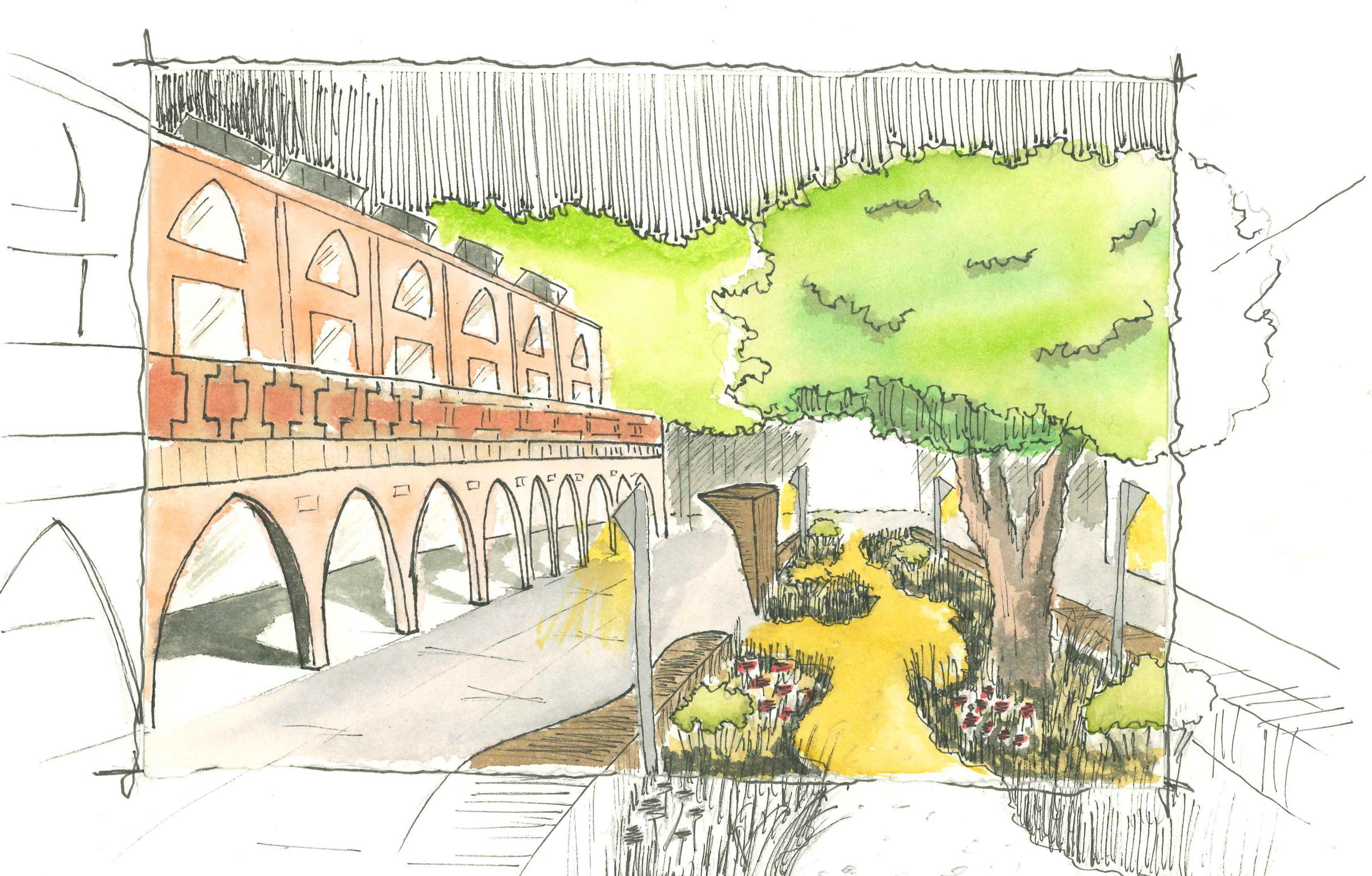
Wakening Waves showcases the knowledge gained about planting design and plant species through the design of a section of a park. Developed as part of the course Planting, Construction, and Representation, this project focuses on understanding how plants, form, and symbolism can shape spatial experience.
Through this exercise, I explored not only plant composition and visual rhythm, but also how botanical diversity can express conceptual ideas about human consciousness and ecological balance.

INSPIRATION & INSIGHT
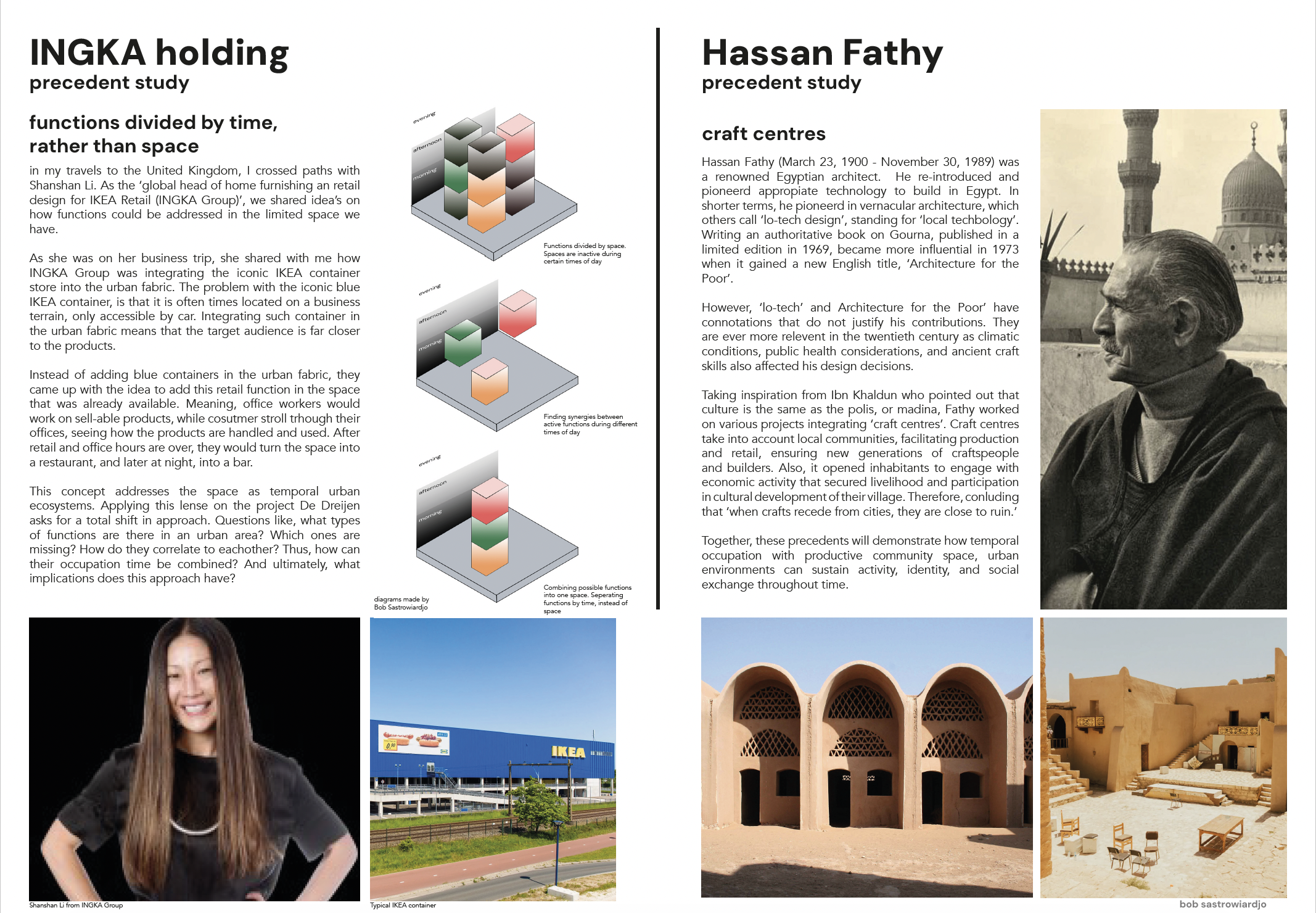
Cities are often experienced as collections of separate places, yet they are shaped by underlying rhythms of movement, activity, and public life. Inspired by the human-centred approach of Hassan Fathy and the placemaking strategies of INGKA Group, I realised that landscapes can reveal, strengthen, and connect these rhythms into one space.
DESIGN TRANSLATION
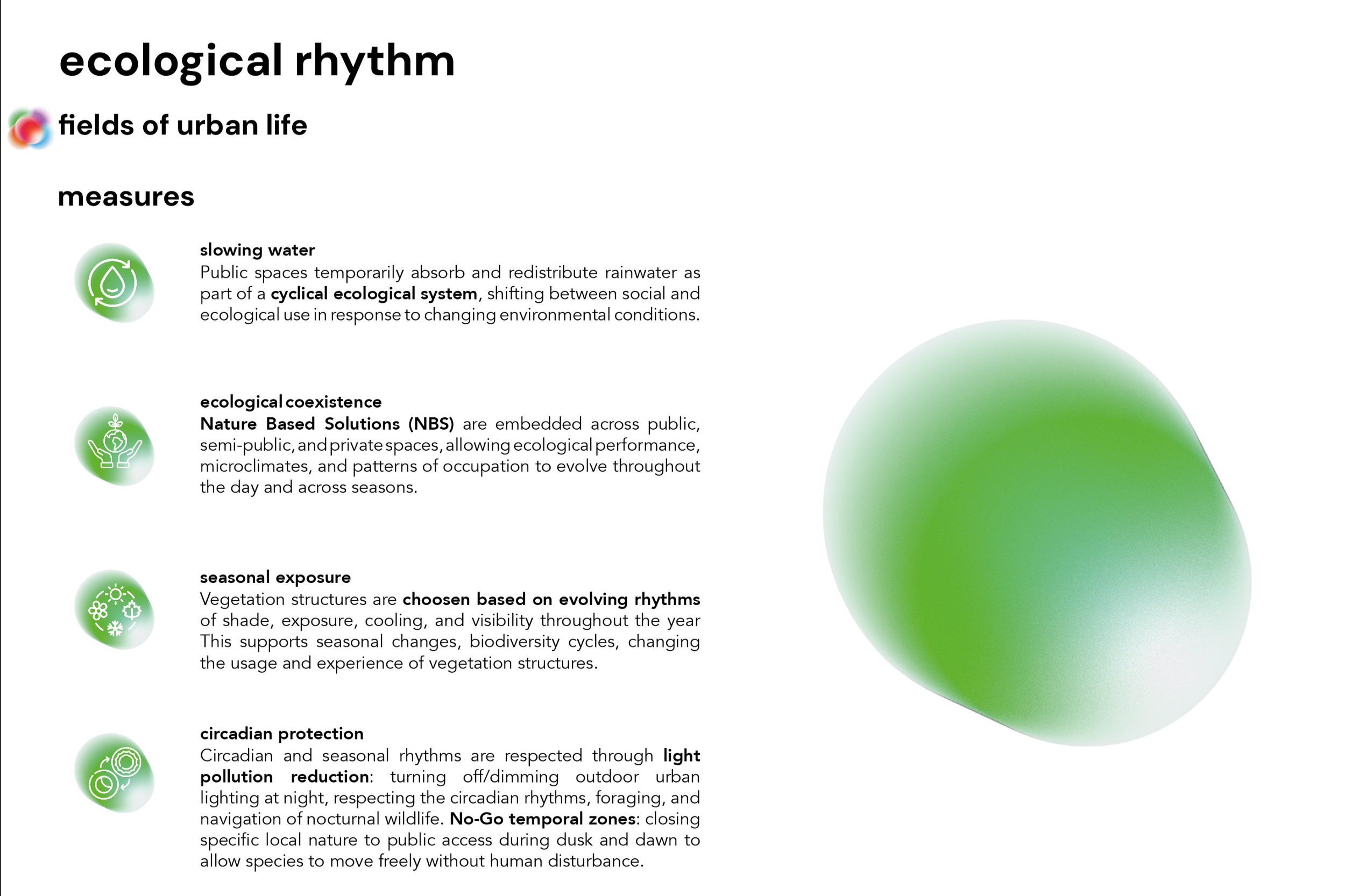
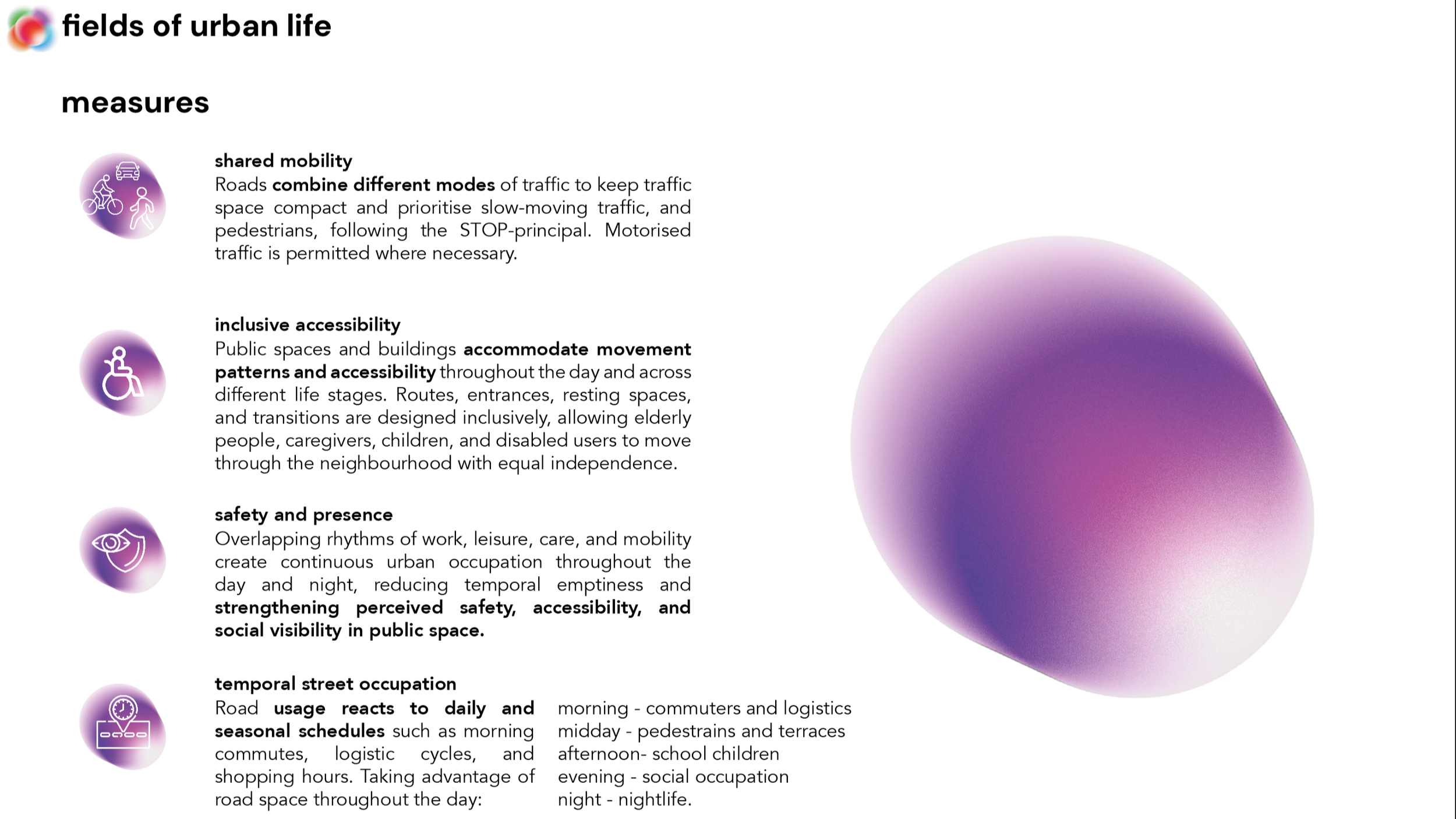
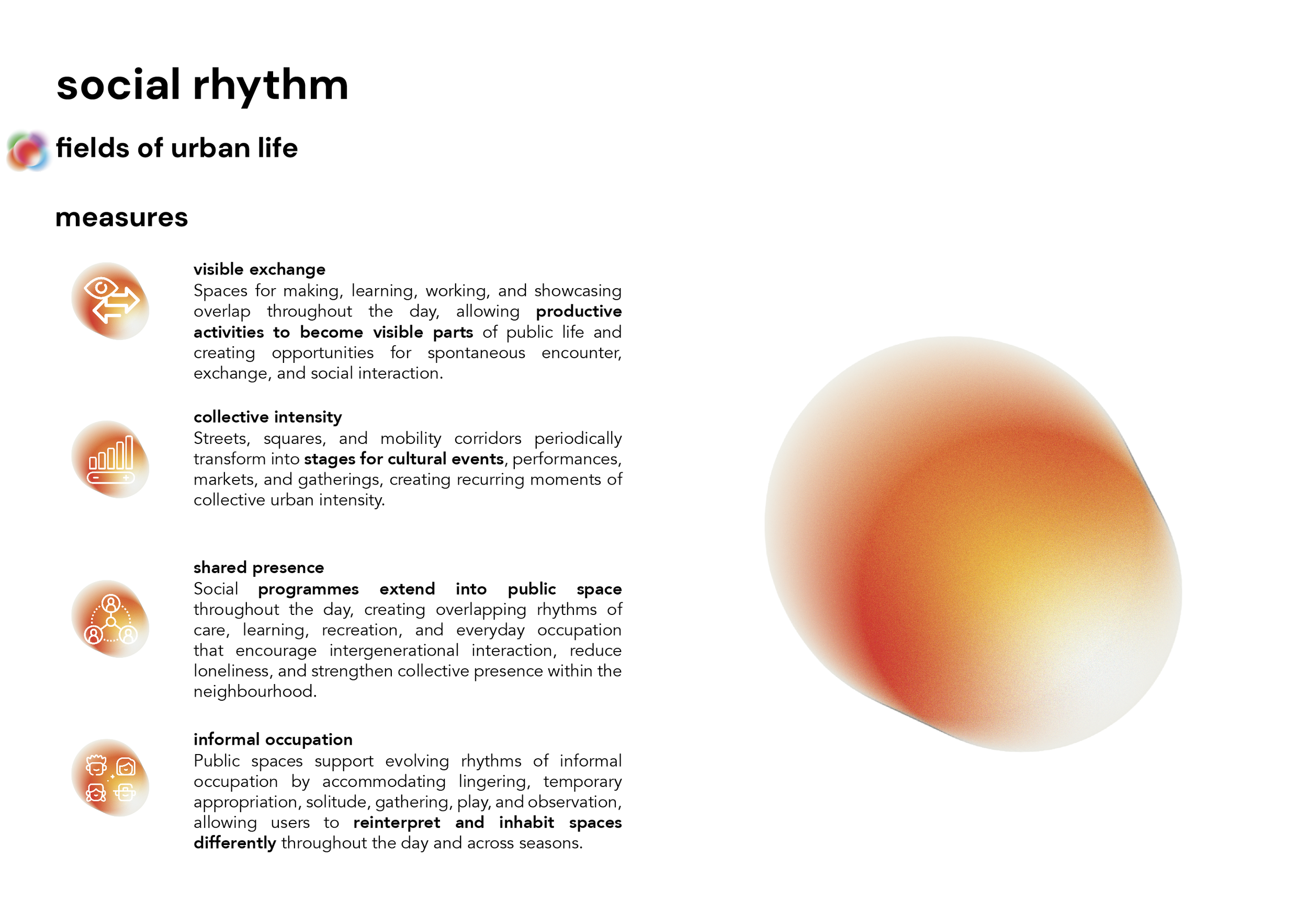
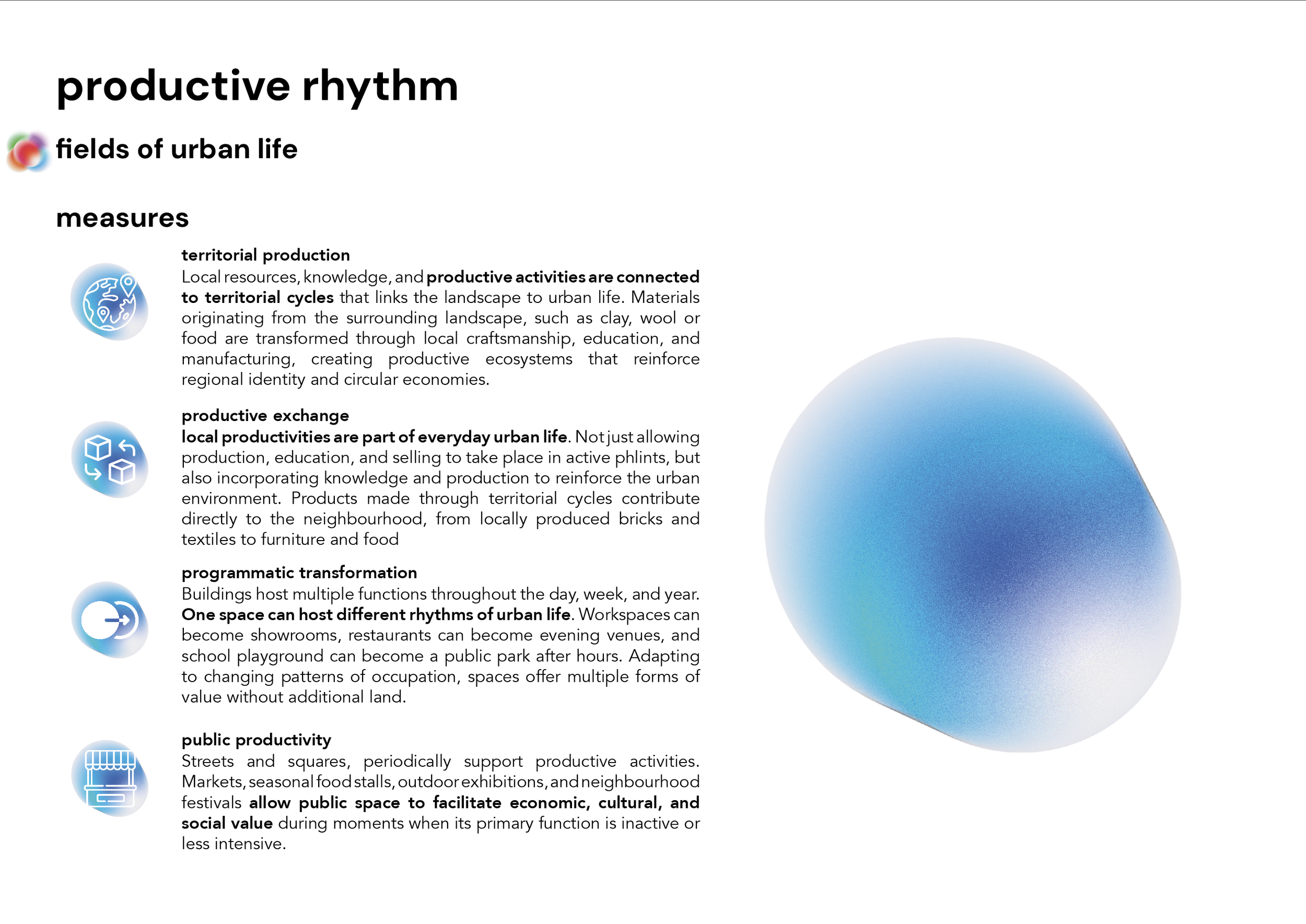
Urban Rhythms translates these hidden patterns into a spatial framework. This framework is a testing device, which designers can use as a guide to design with five different but interconnected rhythms, called ‘fields of urban life’. These are the: ecological-, mobility-, social-, productive-, and health rhythm.
Through strategic interventions, based on the five fields of urban life, urban spaces are woven together into a coherent landscape that supports everyday life while creating a stronger urban identity.

FULL DOCUMENT

Wakening Waves showcases the knowledge gained about planting design and plant species through the design of a section of a park. Developed as part of the course Planting, Construction, and Representation, this project focuses on understanding how plants, form, and symbolism can shape spatial experience.